
Mulch In Toronto
Mulch Experts
LAWN CORE
What Is Mulch?
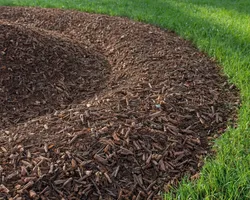
Mulching involves placing a protective layer of organic material—such as wood chips or shredded bark—around plants, trees, and garden beds. Mulch helps retain soil moisture, regulate soil temperature, reduce weed growth, and improve the appearance of garden areas.
LAWN CORE
When Is Mulch Necessary?
Mulch is necessary when soil and plant roots need protection from conditions they can't handle well on their own — temperature swings, moisture loss, weed pressure, and erosion. It's one of the most high-value, low-effort things you can do in a garden.
Core reasons mulch becomes necessary:
Moisture retention — bare soil loses water rapidly through evaporation, so if you're watering frequently but soil dries out fast, mulch is needed
Weed suppression — exposed soil is an open invitation for weeds; a 2–3 inch layer blocks most weed seeds from germinating
Temperature regulation — mulch insulates roots from summer heat and winter freeze-thaw cycles, which are particularly hard on plants in Ontario
Soil erosion — if rain is washing soil out of beds or down slopes, mulch absorbs impact and holds soil in place
Soil health — organic mulches break down over time and feed soil biology, improving structure similarly to topdressing on a lawn
Specific situations that call for it:
Newly planted trees, shrubs, or perennials — roots are establishing and need consistent moisture and temperature protection
Garden beds going into winter — a fresh layer protects perennial roots from hard freezes
Around trees in lawn areas — prevents mower and string trimmer damage to bark, which is a leading cause of tree decline
Vegetable gardens — keeps soil warm, reduces disease splash-back from rain, and suppresses weeds between rows
How much to apply:
2–3 inches is the standard for most beds
Keep mulch a few inches away from plant stems and tree trunks — piling it against bark (called "volcano mulching") traps moisture and causes rot and pest damage
How often: Organic mulches decompose and need topping up annually or every two years depending on the material. Shredded hardwood and wood chips last longer than straw or grass clippings.
Types and when to use them:
Shredded hardwood or bark — best all-purpose choice for ornamental beds, long-lasting
Wood chips — great around trees and shrubs, breaks down slowly
Straw — ideal for vegetable gardens and overseeded lawn areas
Compost — doubles as a soil amendment, good for vegetable beds but breaks down quickly
Stone/gravel — permanent, low maintenance, good for drainage-focused areas but doesn't improve soil
TESTIMONIALS
What Our Mulch Customers Say About Us
The Process
3 Step Process For Your Mulch Needs

Contact Us
Start by completing the 'Get a Free Quote' form on our website to share your Mulch needs with us.

Schedule Your Estimate
Next, we'll arrange a property visit at a time that works for you to provide an in-person estimate for your Mulch needs.

Get The Job Done
After you approve our estimate, we'll schedule a date to complete the job. Our team will work hard to exceed your expectations!
Request A Free Mulch Quote
BUSINESS
SERVICES
SERVICE AREAS
OPERATING HOURS
Sun: Closed
Mon: 9:00am - 5:00pm
Tue: 9:00am - 5:00pm
Wed: 9:00am - 5:00pm
Thu: 9:00am - 5:00pm
Fri: 9:00am - 5:00pm
Sat: 9:00am - 5:00pm